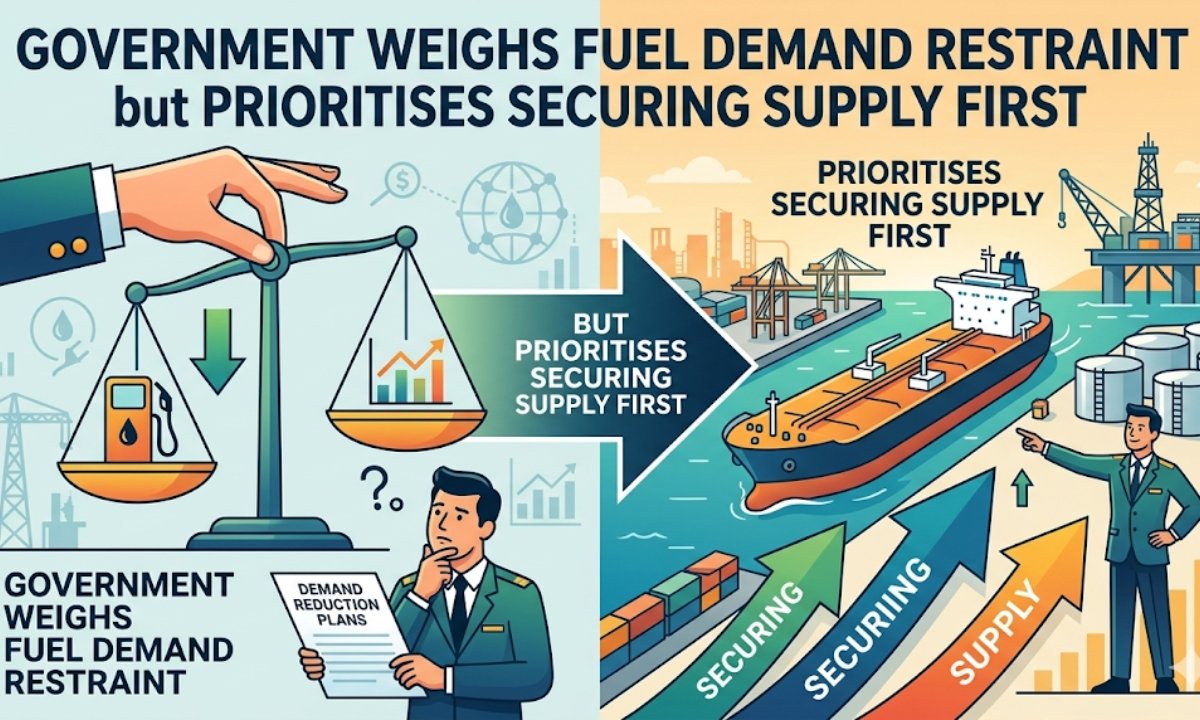
The world is facing a competing challenge between increased energy demand and climate objectives, and geopolitical pressures among governments. By 2025, the use of fossil fuel had reached new highs, despite the fact that most countries have committed to net-zero. It has shifted to the reduction of demand without harming economies. Indian, U.S and EU energy ministries have indicated that the primary target is to secure the supply chains, followed by Demand controls. This has changed since the understanding and the lessons of the 2022 energy crisis when the Russia-Ukraine war has increased the prices and resulted in blackouts. According to policymakers, when there is no reliable stockpiles and many imports, it would not be tough demand cut but moderate consumption, which would destroy the economy.
The transition is a combination of realism and strategy. Countries are increasing the strategic petroleum reserves, entering into new contracts with the suppliers, and constructing LNG terminals to ensure disruptions. India will increase its reserve to 12 million tonnes by 2027 by which time it will have 10 days of imports in case shipping ceases. TheREpowerEU plan developed by the EU has also boosted U.S. LNG and Qatar imports and reduced dependency on Russian gas by over 50 percent since 2021. Such moves will purchase time until longer-term measures can be implemented like efficiency standard and the provision of electric-vehicles which take years to scale. The analysts caution against implementing austerity measures too soon without safety stocks, as this may increase inflation and unemployment, as in the case of the 2022 recession in Europe.
The Data Behind the Push-Pull Dynamic To understand why supply is the first one, go by the numbers. The 2026 Outlook by the IEA indicates the possibility of oil demand plateauing to around 2030, although there have been high volatility in short term due to weather, conflict and refinery issues. Based on projected supply-gap risk, the current demand, and key supply strategies to the key regions are illustrated in the table below. This table reveals the areas that governments are the most vulnerable and reasons why they are afraid to reduce demand drastically. As an illustration, 10bp reduction in demand without additional supply in India would close factories and raise food prices with increased transportation expense.
Region Current Daily Oil Demand (million bd) Projected 2027 Supply Gap Risk (percent) Key Supply Strategy.
| Region | Current Daily Oil Demand (million bpd) | Projected 2027 Supply Gap Risk (%) | Key Supply Strategy |
|---|---|---|---|
| India | 5.5 | 15 | Expand reserves, boost refining |
| EU | 13.5 | 20 | Diversify LNG, renewables ramp-up |
| US | 20.0 | 5 | Shale production, export hubs |
| Global Avg | 103 | 12 | Stockpiling, OPEC+ coordination |
Demand restraints devices are needed and needed in the long term but are dangerous when hasty. Carbon tax and fuel Rationing have been imposed throughout: fuel tax in France decreased fuel usage by 8 per cent but led to demonstrations. Nudges to behavior, such as the vehicle quota system in Singapore where the ownership is contingent on the fee to use the vehicle will decrease per -capita fuel burn by 12 per cent within a period of five years. These tools are most effective in the case of stable supplies. Supply-first policies, conversely, promote innovation; the Norwegian sovereign fund is strengthened by oil-revenue, and it now finances green-hydrogen projects. The critics claim that this postpones climate action, and supporters point out that there is energy poverty that, however, continues to plague 700 million, needs to be fixed before revolution is implemented.
The setting of these priorities is to be struck with a careful policy formulation. Governments combine both carrots and sticks: Japan has subsidized its hybrid-fleet by up to 7 per cent, reducing the demand by that percentage since 2023, whereas the U.S. Inflation Reduction Act now provides tax credits on clean energy, but the incentives are not mandatory. The geopolitics makes it more urgent, as a strife in the Middle East may block out the Strait of Hormuz through which 20 per cent of the oil of the world passes. Through supply, leaders decrease the black-swan risks, and in the future can revert to restraint, courtesy of intelligent technology such as AI-optimised grids that would cut peak demand by 15-20%.
This strategy, in the future, may turn out to be hybrid. The dual-circulation policy in China secures home coal in the country as transport becomes electrified, indicating an approach that is partial self-reliance coupled with reduction of emissions. International cooperation is the key to success; G20 energy negotiations compel mutual stockpiles. To citizens, it is simple: embrace efficiency now when young, not when old, use carpool applications, have home solar installed, that way the transition process becomes less inevitable and less dependent on home ordering.
Finally, the procurement of supply is, after all, not a delay-building. Looking ahead into 2026 and elections and climate summits, supply protection will dominate and demand instruments will be lower. This was a calculated course that secures employment opportunities, drives expansion, and takes us to sustainability.
FAQs
Q1: Why put more emphasis on supply, rather than demand reduction?
Supply security averts crisis such as blackouts and inflation surges thereby establishing stability on gradual demand reforms.
Q2: Are demand restraint measures effective?
They are able to cut down consumption 5-15 per cent through taxes or incentives, but require supply buffers to prevent economic shocks.
Q3: What lies ahead of the world energy policy?
Hybrid solutions combining reserves, renewables and efficiency criteria, with G20 information.