The various facets of modern motoring continue to evolve as we advance into 2026. Lawmakers across the world are prioritising new technologies and stronger road safety measures. For the typical road user, compliance is no longer limited to following speed limits and traffic signals. Drivers must now stay informed about new administrative regulations and enforcement technologies that are rapidly changing the driving landscape.
Governments in countries such as Australia, the United Kingdom, and the United States have introduced a range of new policies this year. These include senior driver licensing requirements, the gradual removal of traditional fuel subsidies, and stricter safety measures for new drivers. These regulations aim to manage increasingly complex road environments where traditional vehicles share the road with electric vehicles (EVs) and e-micromobility devices like e-bikes and scooters.
Digital Licensing and Advanced Enforcement Technology
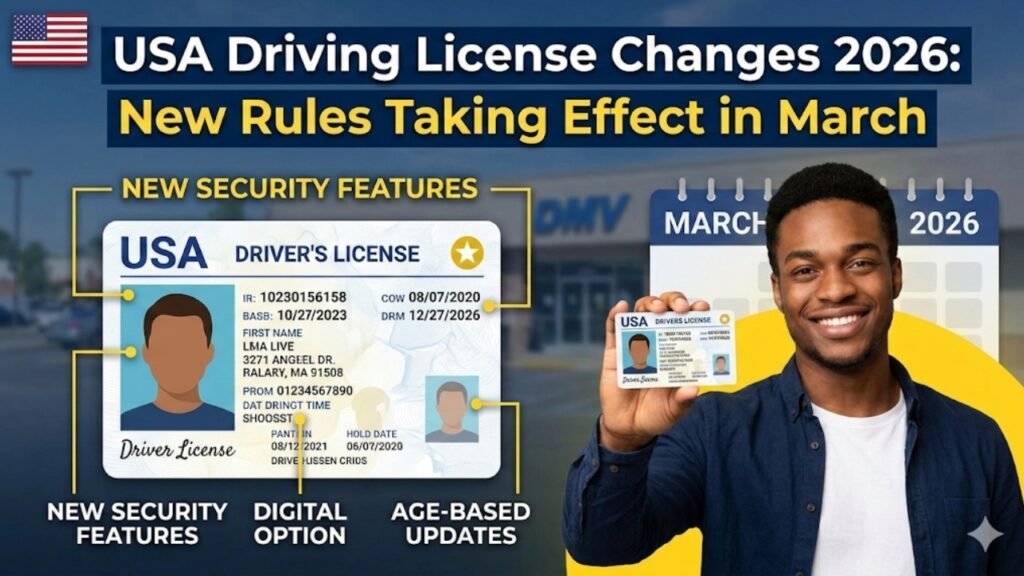
One of the most significant developments for drivers in 2026 is the global shift toward digital licensing and automated enforcement. Digital driver’s licenses have already been introduced in several regions, including the United Kingdom and multiple states in Australia.
Governments are encouraging motorists to access their records online through official government portals rather than relying solely on physical cards. Alongside this digital transformation, new AI-powered enforcement systems are being deployed on roads.
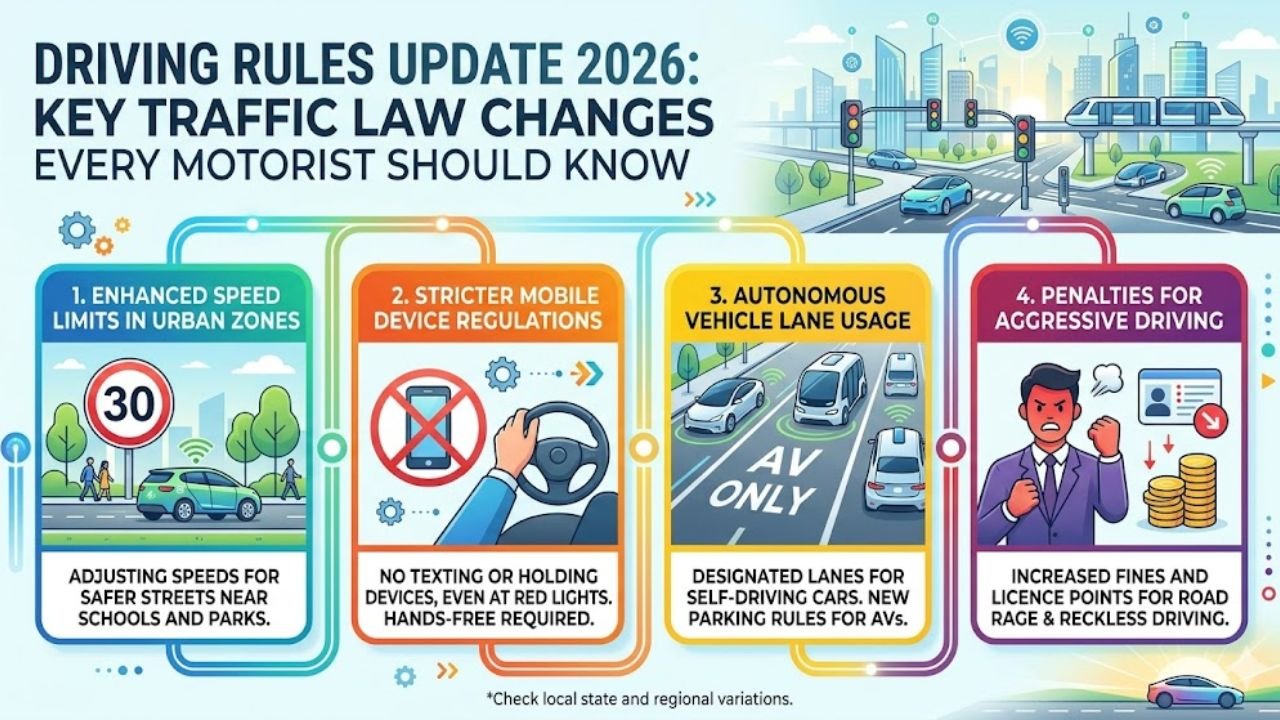
Modern traffic cameras are now capable of detecting multiple violations simultaneously. These systems can identify speeding, mobile phone usage, and seatbelt violations without requiring human monitoring. In many regions, these cameras are also linked with insurance and tax databases, making enforcement more comprehensive than ever before.
Some jurisdictions in the United States have even removed warning periods for first-time offences. As a result, drivers may receive immediate fines for holding a mobile phone at a stoplight or committing other minor violations.
New Rules for Young and Senior Drivers
Road safety reforms in 2026 place particular focus on inexperienced drivers and older motorists. In several European countries and Australian regions, drivers aged 65 and older must undergo periodic medical checks and competency assessments to maintain their licenses. These tests evaluate eyesight, reaction time, and overall driving ability.
Meanwhile, new drivers are facing stricter requirements before receiving full driving privileges. Many jurisdictions now require minimum supervised learning periods that include driving in difficult conditions such as night-time and bad weather.
In the United Kingdom, the theory test has also expanded. It now includes questions about Automated External Defibrillators (AEDs) and basic first aid, encouraging drivers to act as potential first responders in emergency situations.
Tax Reforms and the Rising Cost of Driving
The global transition toward electric vehicles is also reshaping road taxation systems. Previously, EV owners benefited from tax exemptions as an incentive to adopt cleaner vehicles. However, many governments are ending these exemptions in 2026.
As a result, electric vehicle owners will begin paying standard road usage taxes similar to traditional car owners. Some regions are also introducing additional charges for electric vehicles classified as luxury models.
At the same time, temporary fuel duty cuts introduced during periods of high inflation are being phased out. This means fuel prices are expected to rise gradually as subsidies are removed.
Key Financial and Administrative Changes for Drivers
| Type of Regulation | Major Change for 2026 | Impact on Drivers |
|---|---|---|
| Electric Vehicle Tax | End of VED exemptions | EV owners will begin paying annual road taxes starting around £190 or local equivalents |
| Fuel Duty | Gradual removal of temporary fuel tax cuts | Fuel prices expected to rise by around 5p every quarter |
| Licensing | Mandatory digital record synchronisation | Drivers must update medical and address information online |
| Vehicle Safety Technology | Mandatory ISA and AEB systems | New vehicles will include speed limiters and automatic emergency braking |
| Overseas Licenses | Removal of certain test exemptions | Some foreign drivers may need to retake practical driving tests |
Urban Speed Limits and New Road Etiquette
Many cities are implementing road safety programs based on the “Vision Zero” initiative, which aims to eliminate traffic fatalities entirely. As part of this effort, residential and high-pedestrian areas are seeing reduced speed limits.
In many cities, the maximum speed limit for inner-city streets is being reduced to 30 km/h (around 20 mph). These changes are designed to reduce accidents and improve pedestrian safety.
Another rule gaining greater enforcement is the “Move Over” law. Previously applied mainly to emergency vehicles, this law now applies to any vehicle stopped on the roadside with hazard lights activated. Drivers must move to another lane or significantly slow down when passing these vehicles.
Failure to comply with this rule has become a major focus for highway patrols because roadside collisions are a leading cause of secondary accidents.
Preparing for the Future of Driving
The overall theme of traffic regulation in 2026 is accountability. Governments are implementing advanced enforcement technologies such as alcohol interlock systems for repeat DUI offenders and cameras capable of detecting illegal or concealed license plates.
For drivers, the best strategy is to remain proactive. Ensure that your contact details with transportation authorities are up to date so you can receive important regulatory updates. Regularly reviewing your driving habits, including phone usage and speed compliance in school zones, can also help avoid fines.
As vehicle software and traffic laws become increasingly interconnected, staying informed will be essential. Drivers who adapt early to these changes will enjoy a safer and more predictable driving experience while avoiding costly penalties.
FAQs
Q1 Will driving licenses still be valid in 2026?
Yes. Physical driving licenses will remain valid forms of identification. However, many governments now require drivers to maintain a digital record or verified online profile for license renewals and accessing demerit point information.
Q2 Do the new speed limits apply to all roads?
No. The reduced speed limits primarily apply to high-risk urban areas such as residential streets, school zones, and pedestrian-heavy zones. Major highways and arterial roads usually maintain their existing speed limits unless new signage indicates otherwise.
Q3 Will electric vehicle owners need to pay road tax in 2026?
In most jurisdictions, yes. Many electric vehicles that were previously exempt will now be included in standard road tax or Vehicle Excise Duty frameworks starting in 2026.