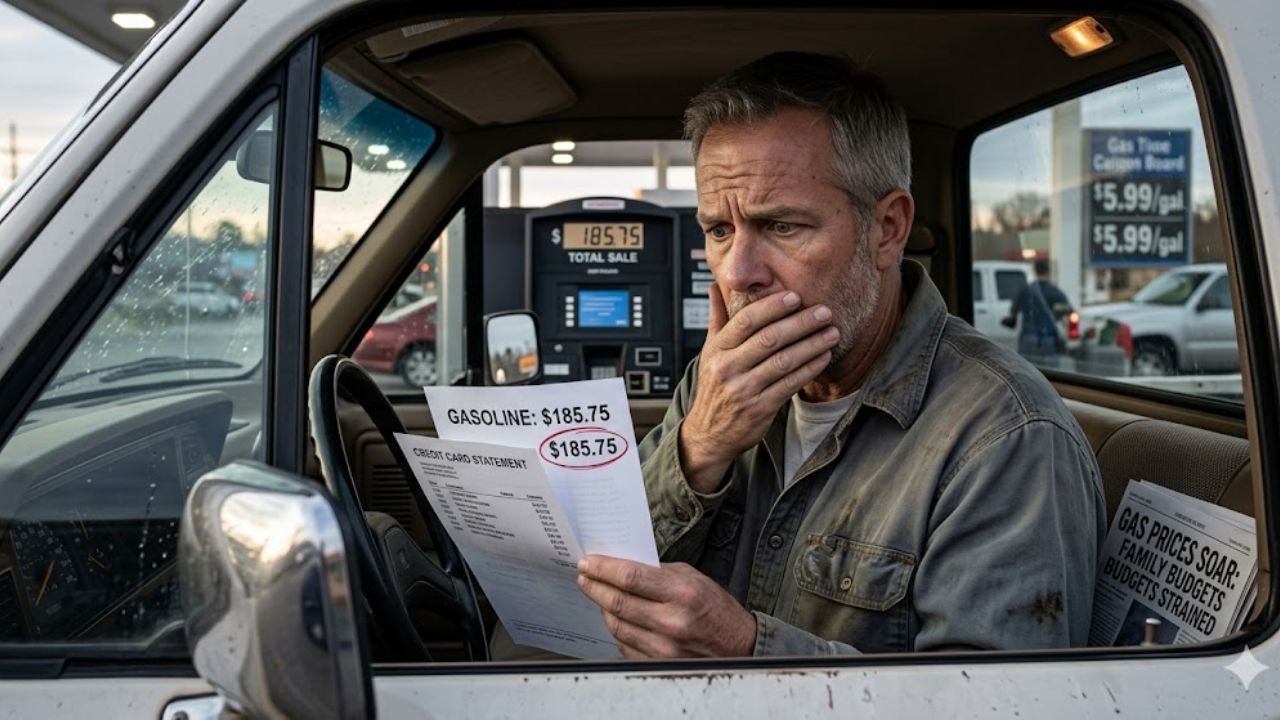
Gas prices change pretty often, but if you need to stop to get gas at an unplanned stop due to bad prices, it could cause you to change your whole monthly budget if you are not ready for that. This article explains the risks of unexpected fuel expenses, how they can create financial stress, and what steps you can take to avoid budget problems.
How An Unplanned Fuel Stop Becomes A Cycle Of Losing Money
With how often gas prices change, it is normal for people to simply fill up their tank without thinking about how it may affect their finances. If your bank account balance is already low and you have several important bills to pay, filling your tank could force you to delay other essential expenses.
Fuel prices have steadily increased after the coronavirus pandemic and have affected lower- and middle-income households across India. Because of these increases, many families have had to reduce spending and focus only on essential needs.
The impact is also felt beyond the fuel pump. When fuel costs rise, transportation and shipping costs increase as well. This makes groceries, household products, and other everyday items more expensive. In other words, you pay more to travel and more for the products you buy.
Over time, repeated increases in fuel prices can lead to delayed bill payments, higher borrowing, and growing financial stress.
The Fuel Price Increases You Can’t See
Fuel is not just another monthly expense. It is connected to many other aspects of daily life. For people who drive long distances to work or operate mobile businesses, even a small increase in fuel prices can add up quickly.
Research on post-pandemic household spending patterns shows that increases in fuel prices are closely linked with higher overall household expenses and inflation.
There are also psychological factors involved. When drivers see a higher-than-expected price at the pump, they may feel pressure to pay immediately, especially if others are waiting behind them. In these moments, many people swipe a credit card without considering the long-term cost.
If that balance is not paid off quickly, the purchase can turn into high-interest credit card debt. When this situation repeats, routine fuel stops can slowly increase financial pressure and reduce future income due to interest payments.
What the Numbers Mean for a Typical Household
Looking at fuel as a fixed monthly expense can change the way households understand their budgets. Since the COVID-19 pandemic, many Indian households in lower- and middle-income groups have had to adjust their spending because transportation costs now take a larger portion of their income.
This often forces changes in other important areas such as groceries, education, and healthcare.
| Expense | Fuel Increase Scenario | Fuel Decrease Scenario |
|---|---|---|
| Fuel | 5,000 | 4,000 |
| Groceries | 7,500 | 8,000 |
| Discretionary Spending | 2,500 | 3,000 |
| Savings | 1,500 | 2,000 |
This example shows how higher fuel costs can reduce money available for groceries, personal spending, and savings. When fuel expenses rise suddenly, some households may need to borrow money, delay payments, or reduce other essential purchases.
How to Shield Yourself from Fuel Price Increases
While you cannot control the global price of oil, you can manage how fuel costs affect your personal budget.
One helpful strategy is to create a small “fuel buffer” within your monthly budget. This extra amount can protect you from sudden price increases. Tracking fuel usage can also reveal driving habits that may be costing more money than necessary.
Another effective method is to combine multiple short trips into one longer trip to reduce fuel consumption. If public transportation or rideshare services are available, using them occasionally can help reduce fuel expenses.
Vehicle maintenance also plays an important role. Keeping tires properly inflated, servicing your vehicle regularly, and maintaining engine efficiency can reduce fuel consumption over time.
Building Financial Resilience Around Transportation Costs
Transportation should be treated as a core category in your monthly budget rather than an afterthought. Planning for it ahead of time can prevent financial stress when fuel prices change.
If your job requires frequent driving, such as delivery work, sales visits, or taxi services, keeping a simple record of mileage, fuel refills, and income can provide valuable insights.
After several weeks, these records can help you identify ways to improve efficiency. For example, you may discover better routes, adjust service pricing, or eventually switch to a more fuel-efficient vehicle.
This kind of record-keeping improves financial awareness and allows you to make better long-term transportation decisions.
Why Knowing the Price of Gas Matters
As online platforms increasingly deliver personalized content about cost-of-living issues, more people are paying attention to everyday expenses such as fuel prices.
Understanding how fuel costs affect your weekly or monthly cash flow can help you make smarter financial decisions. Each visit to the gas station is not just a routine stop—it is also a financial choice.
By thinking about fuel costs in advance, choosing efficient routes, and maintaining your vehicle properly, you can reduce the risk that a simple fuel stop will disrupt your finances.
FAQs
Q1 How often should I review my fuel budget?
It is a good idea to review your fuel budget at least once a month or whenever there is a significant change in fuel prices.
Q2 Can small fuel savings really make a difference?
Yes. Small savings can accumulate over time and help cover other expenses such as groceries, loan payments, or emergency costs.
Q3 Is it better to use cash or a card for fuel purchases?
Use whichever payment method helps you track spending most effectively. However, be cautious about relying on credit cards if it leads to carrying high-interest debt.